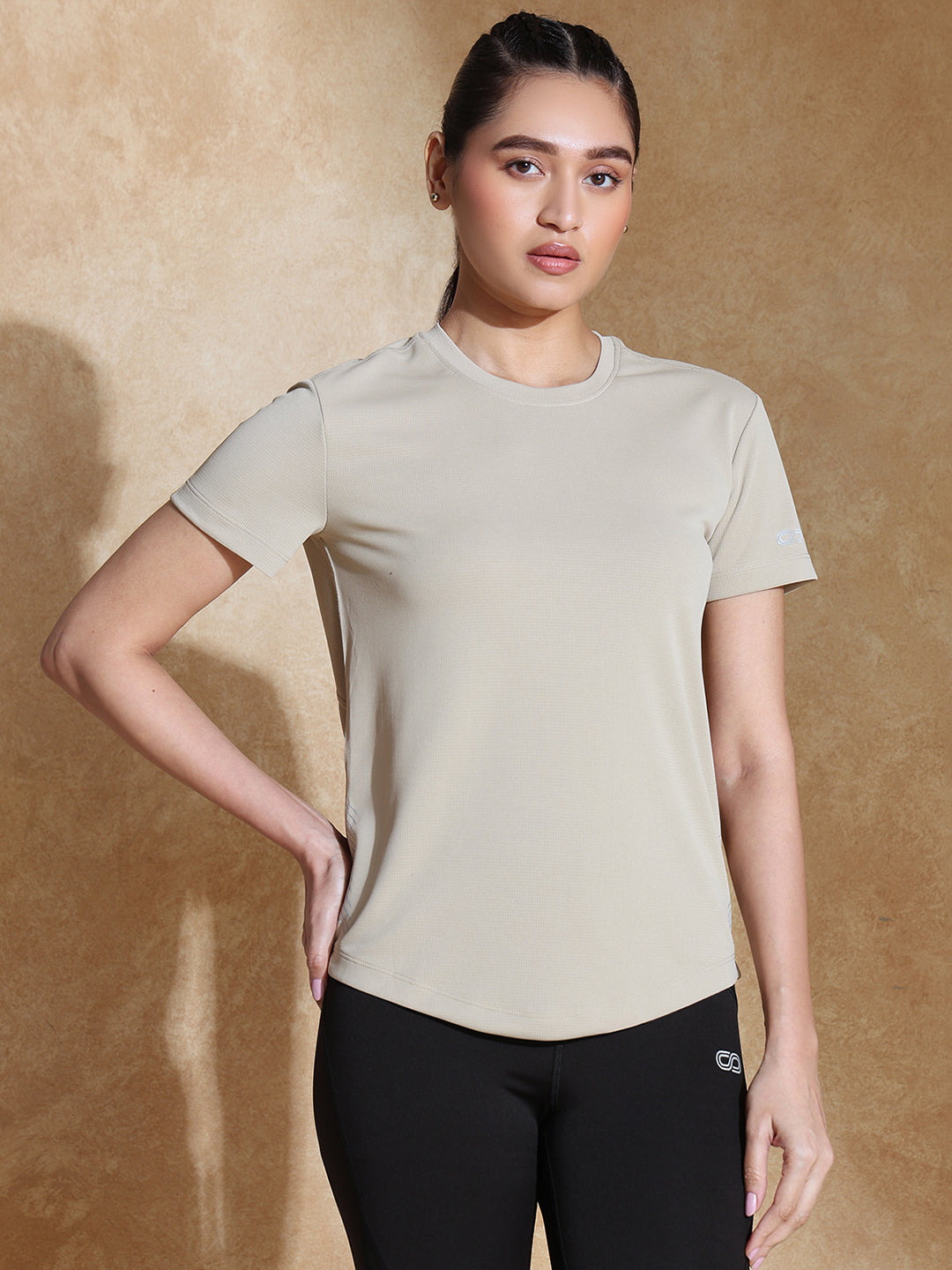
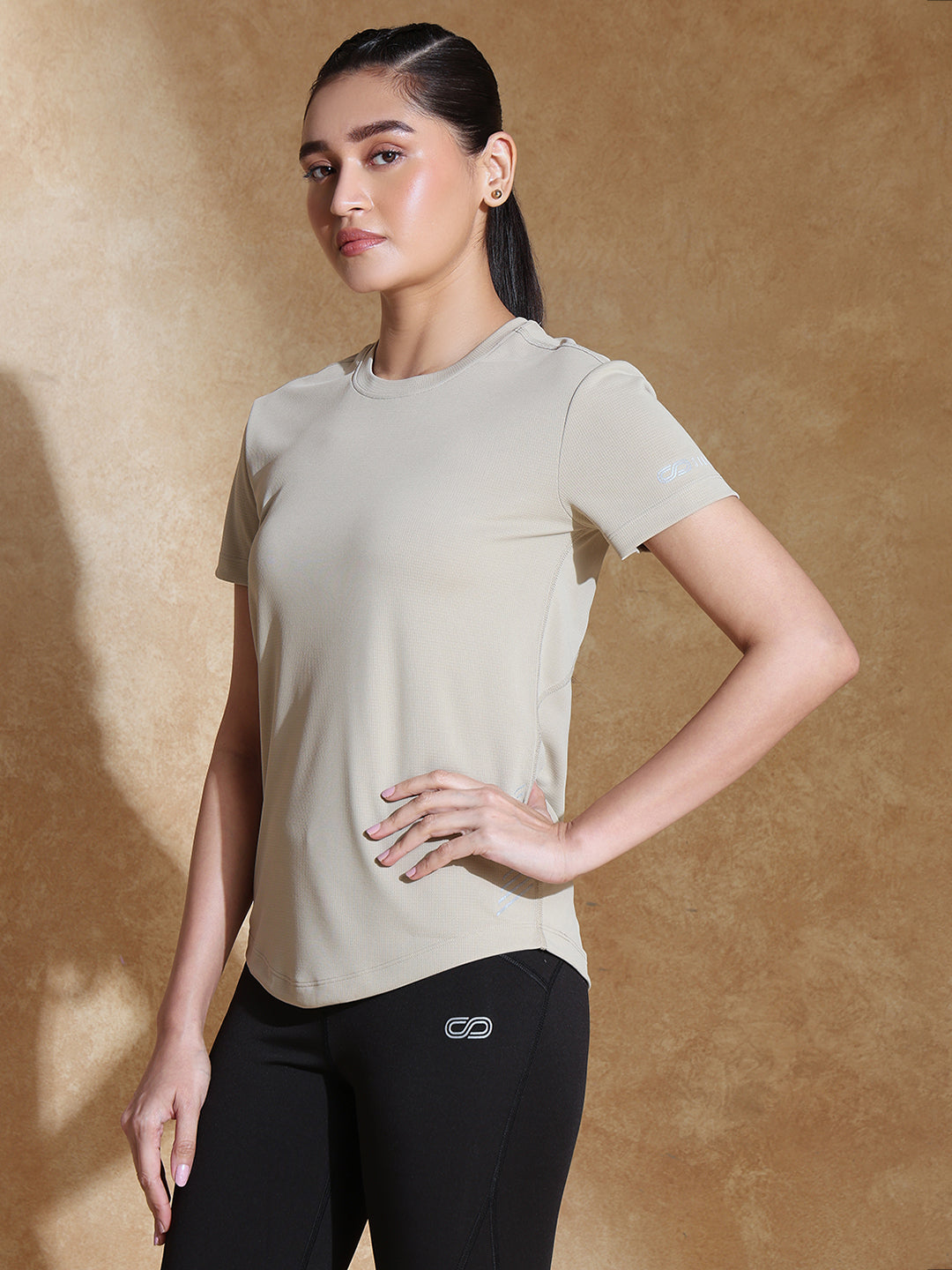
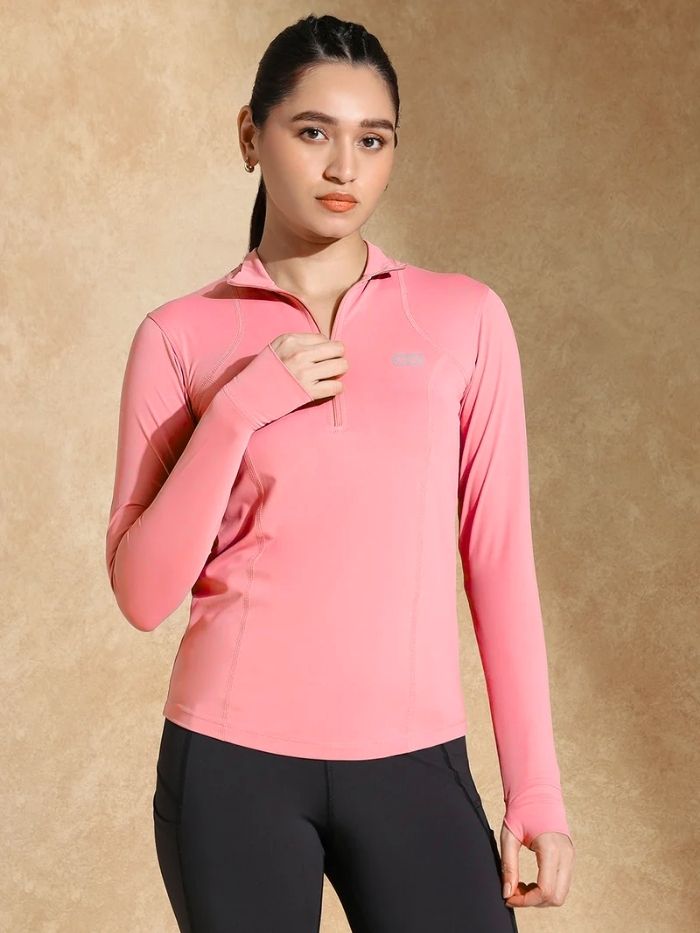
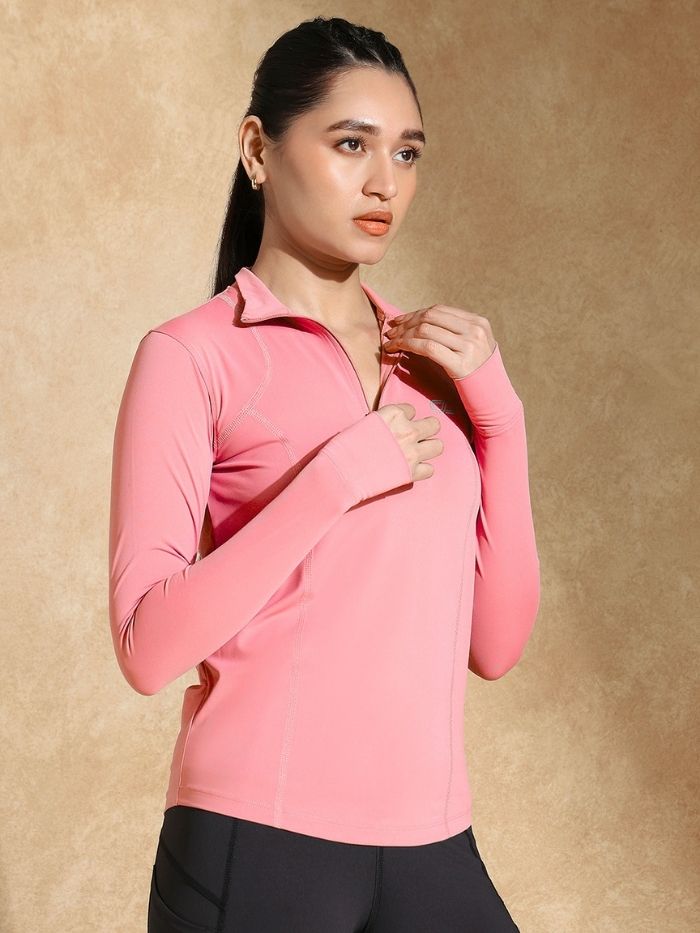
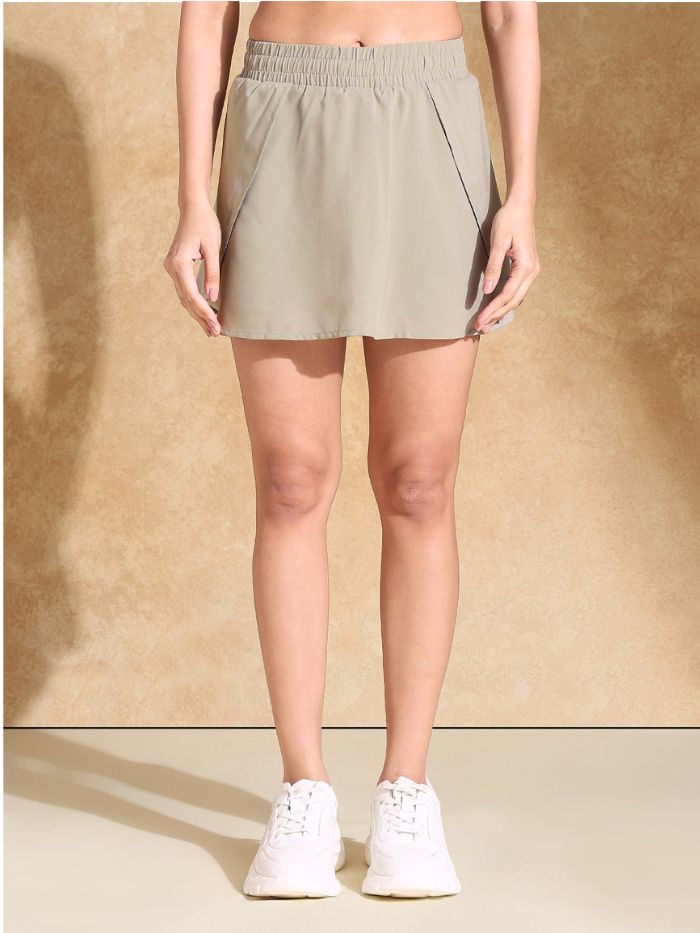
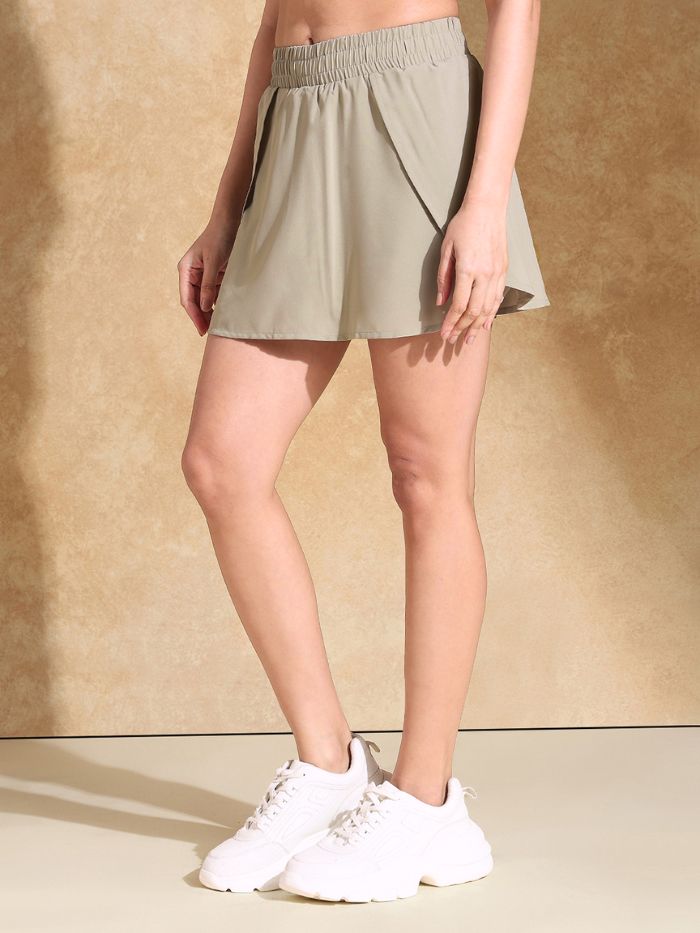
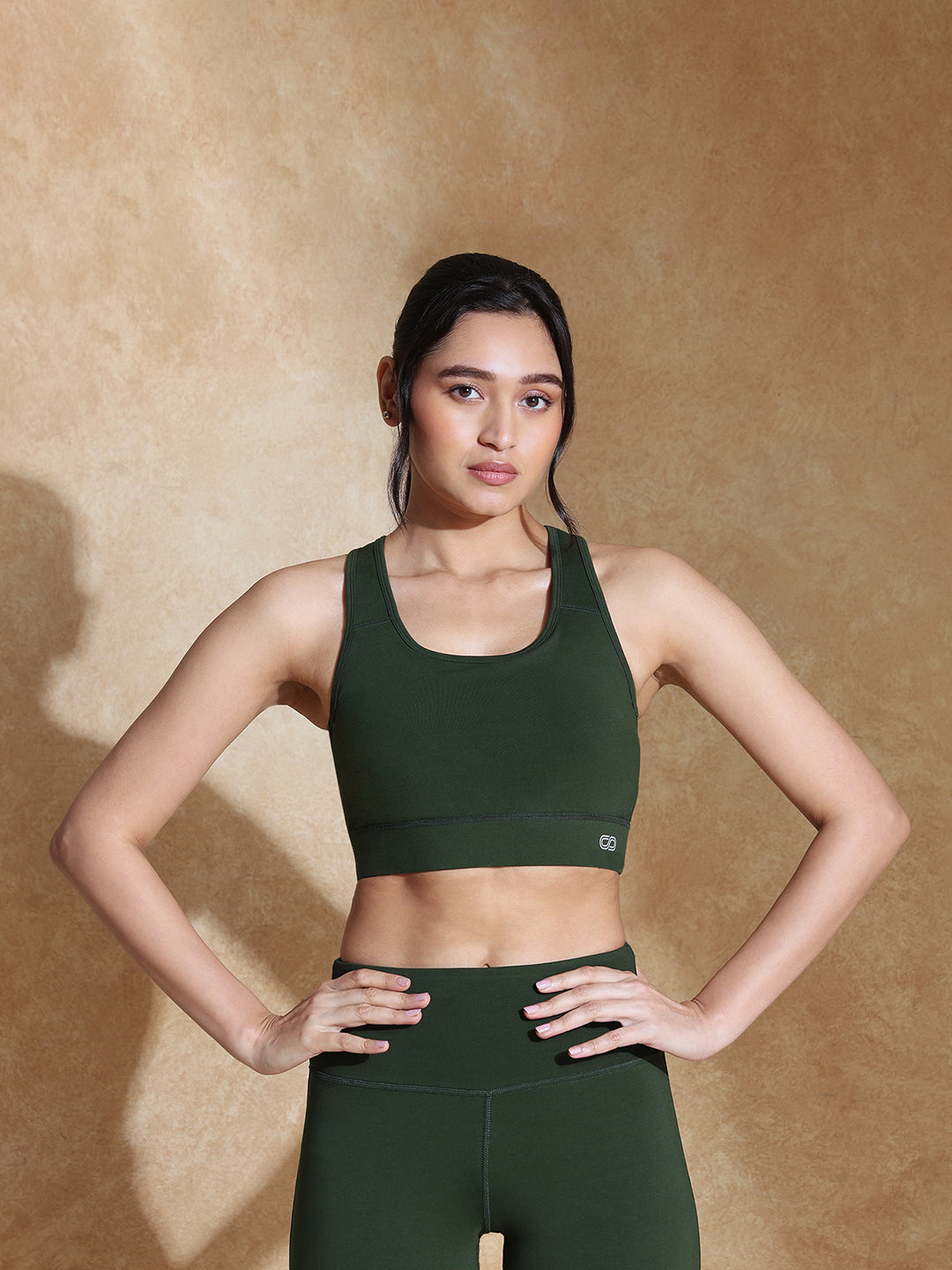
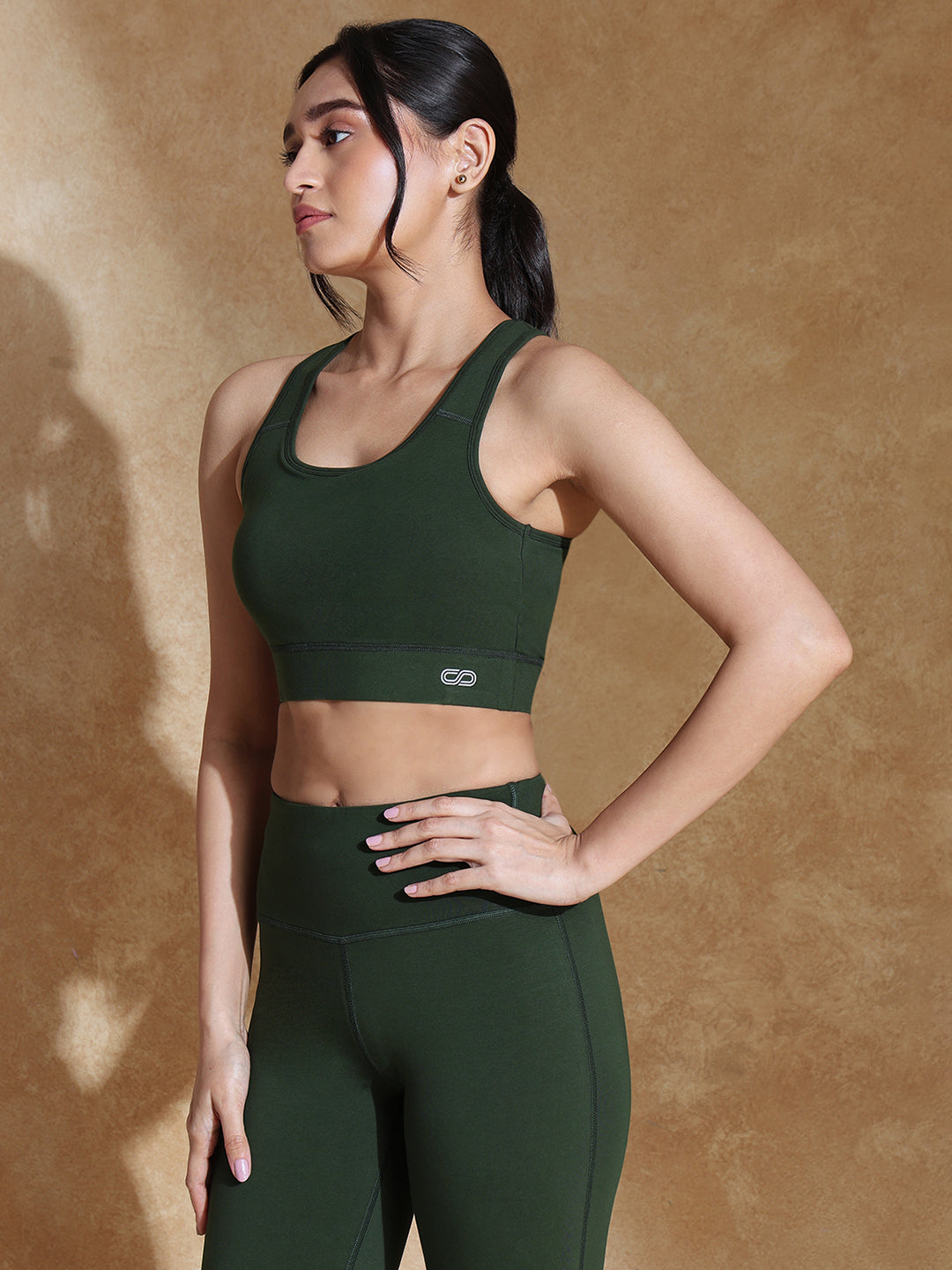
You wouldn’t run a marathon in denim, and you probably wouldn’t practice hot yoga in a wool sweater. Yet, many women still head to the gym in old cotton t-shirts, wondering why they feel heavy, wet, and overheated halfway through their session.
When it comes to building the perfect fitness wardrobe, the secret isn't just in the cut or the color, it’s in the chemistry of the fabric. Whether you are searching for the best workout clothes for women or building a collection of activewear sets, understanding what you are wearing is just as important as the workout itself.
At Silvertraq, we believe that activewear is equipment. It should work as hard as you do. In this guide, we decode the science of fibers to help you choose the right gear for every movement
1. The Great Debate: Cotton vs. Performance Synthetics
For generations, we’ve been told that cotton is the "breathable" choice. And for lounging on a Sunday? Absolutely. But for active wear women use for high-intensity training, cotton is often the enemy.
Cotton is hydrophilic , meaning it loves water. It absorbs sweat like a sponge and holds onto it. In the humid Indian climate, a cotton tee can weigh you down, cause chafing, and leave you feeling clammy.
In contrast, technical sports wear for women is made from hydrophobic fibers like polyester and nylon. These materials don't absorb water; they wick it. Wicking creates a capillary action that pulls moisture away from your skin to the surface of the fabric, where it evaporates quickly. This is the foundation of Silvertraq’s Cloud Fabric technology- keeping you dry, light, and focused.
2. High-Intensity & Cardio: The Power of Polyester
If your workout involves heavy sweating- think HIIT, spinning, or running, you need gym wear that prioritizes moisture management and durability.
Polyester is the workhorse of the fitness world. It is incredibly durable, retains its shape, and dries faster than almost any other fiber. But not all polyester is created equal.
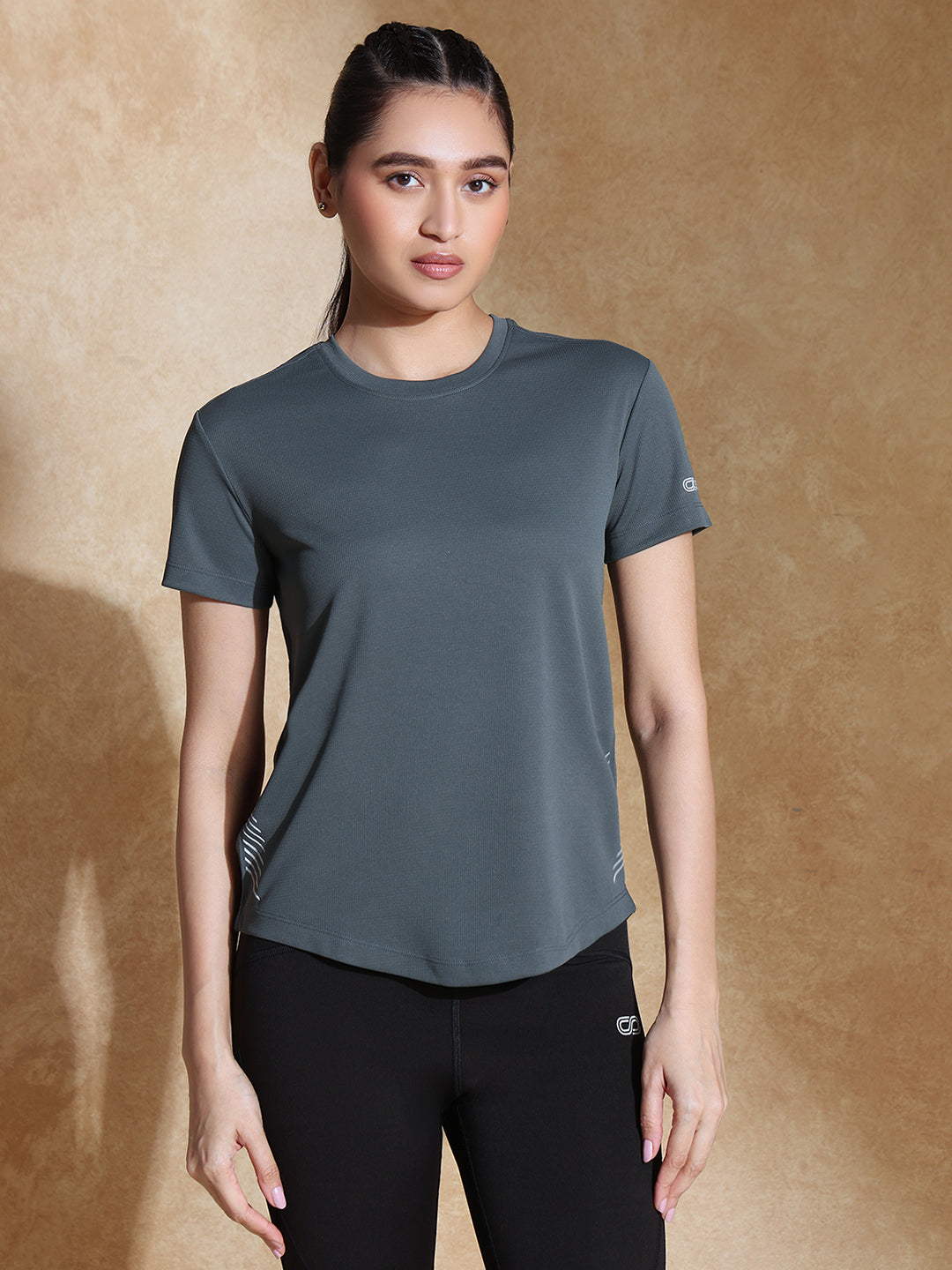
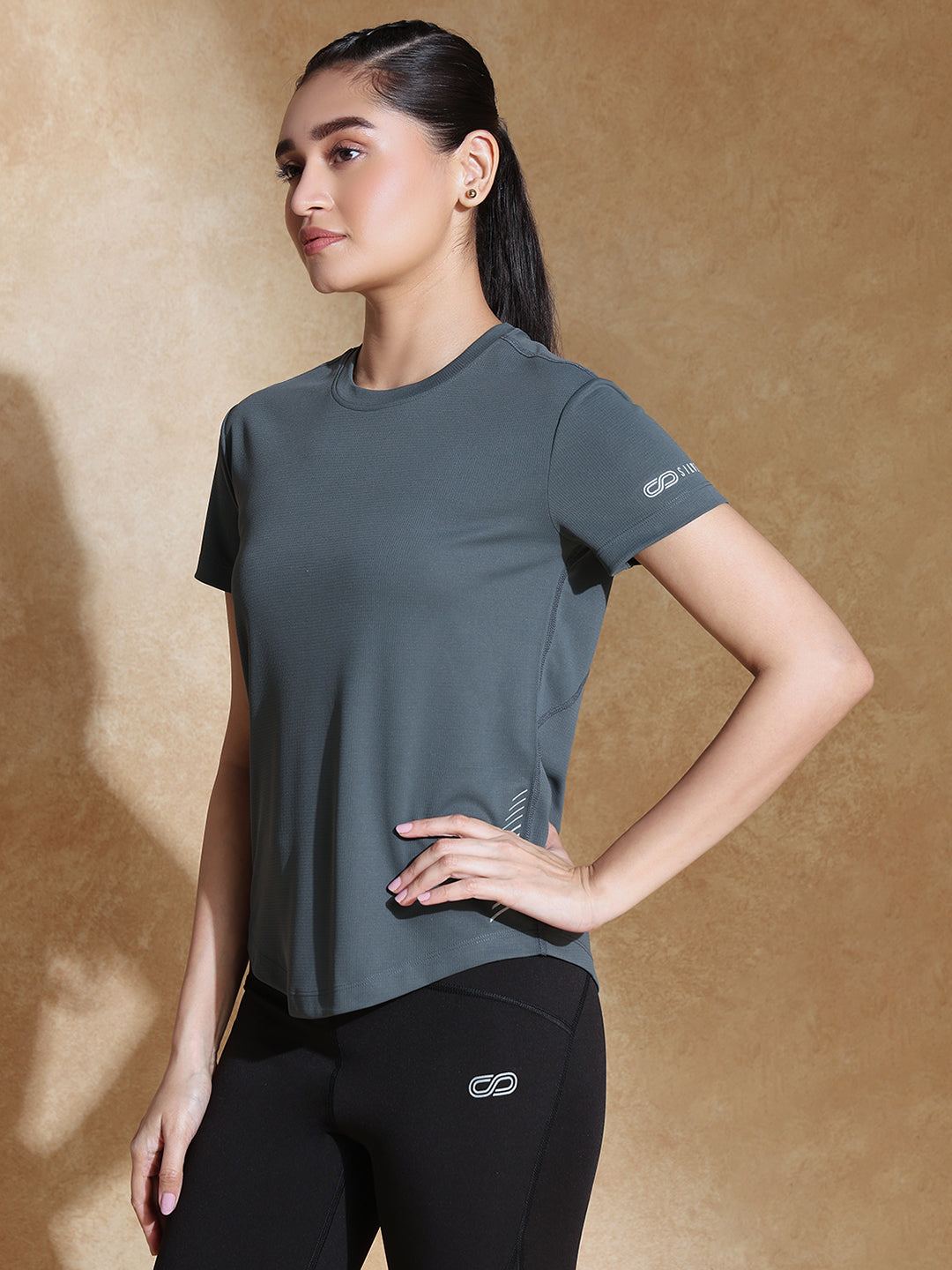
● What to look for: Look for "sweat-wicking" and "anti-odour" labels. Our TraqDry tees are engineered specifically to handle the "wet bulb" effect of Indian humidity, ensuring that even your toughest cardio session feels breezy.
3. Yoga & Pilates: The Softness of Stretch
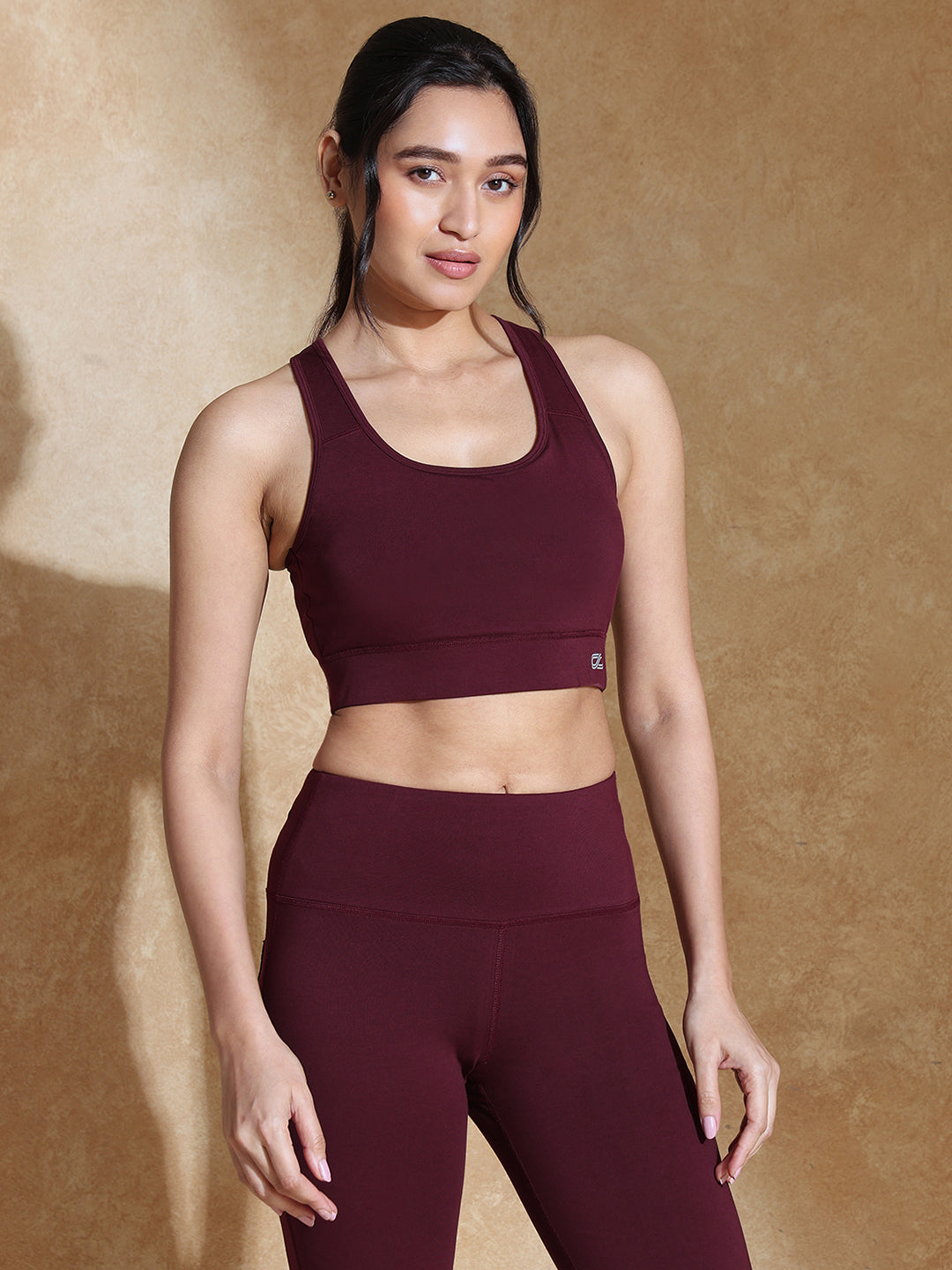
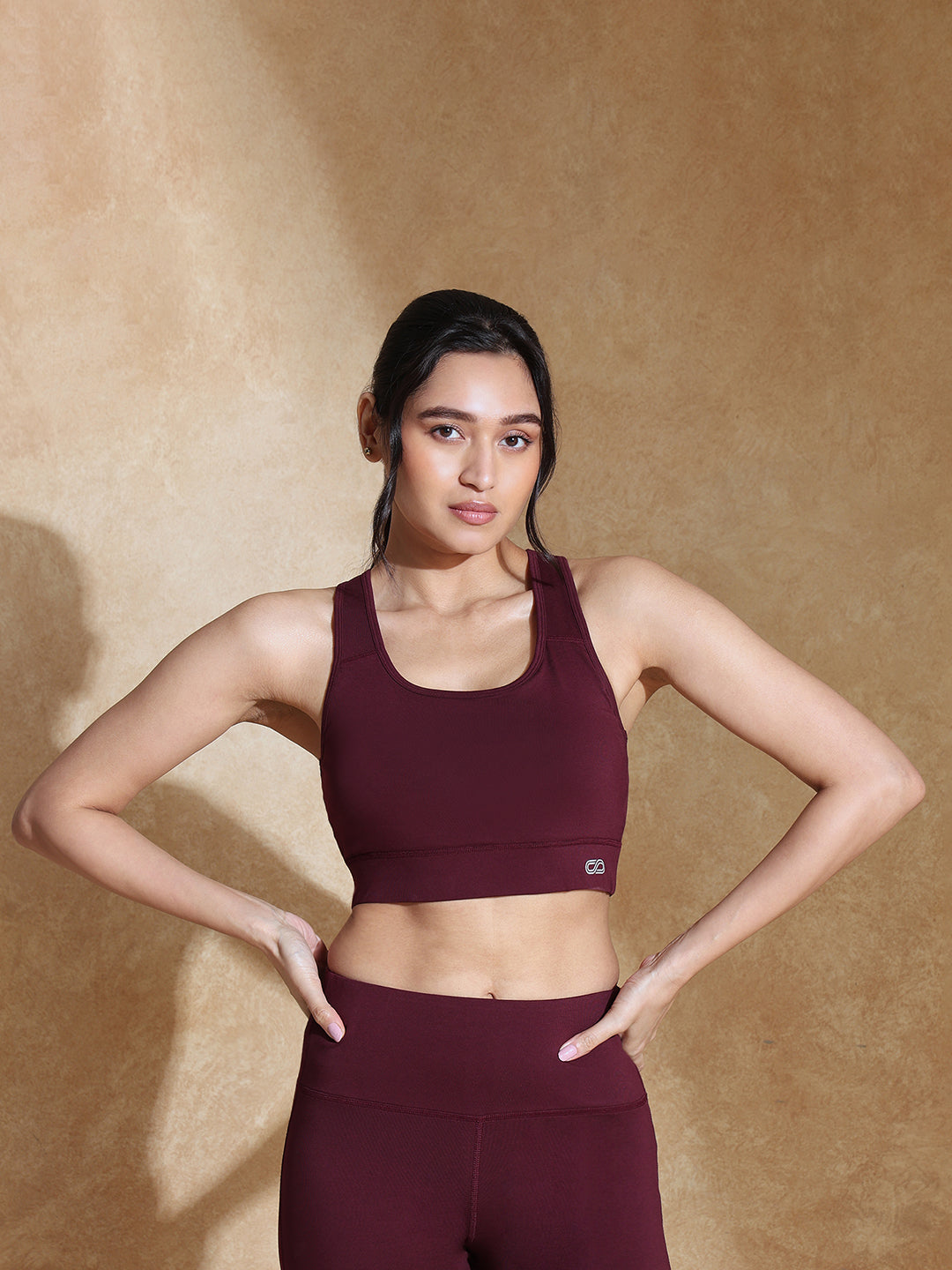
When you are on the mat, the requirements change. You aren't bouncing; you are flowing. Yoga clothes for women need to prioritize stretch (4-way stretch) and a "second-skin" feel. You don't want rigid compression; you want freedom.
For these activities, we often blend performance fibers with softer materials like Viscose or Nylon. Our Yoga collection features a TraqCool finish on premium viscose blends. This unique technology provides a cooling sensation against the skin, perfect for those stuffy, non-AC yoga studios, while offering the extreme flexibility needed for a deep lunge or a downward facing dog.
Shop these styles now during Silvertraq's Yoga Edit Sale — Flat 50% off sitewide until 22nd June. Shop the Sale →
4. The Leggings Lowdown: Squat-Proof Science
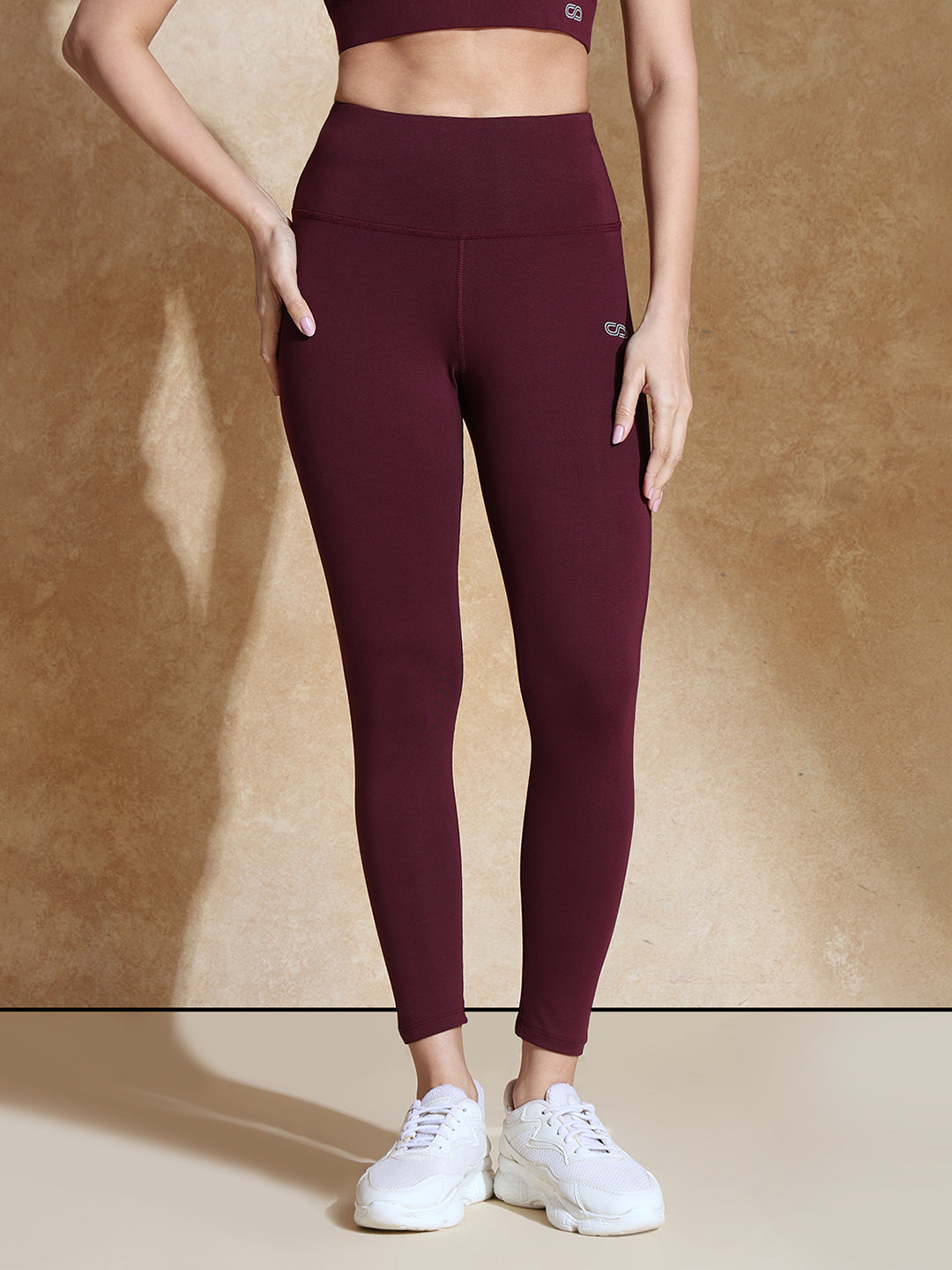
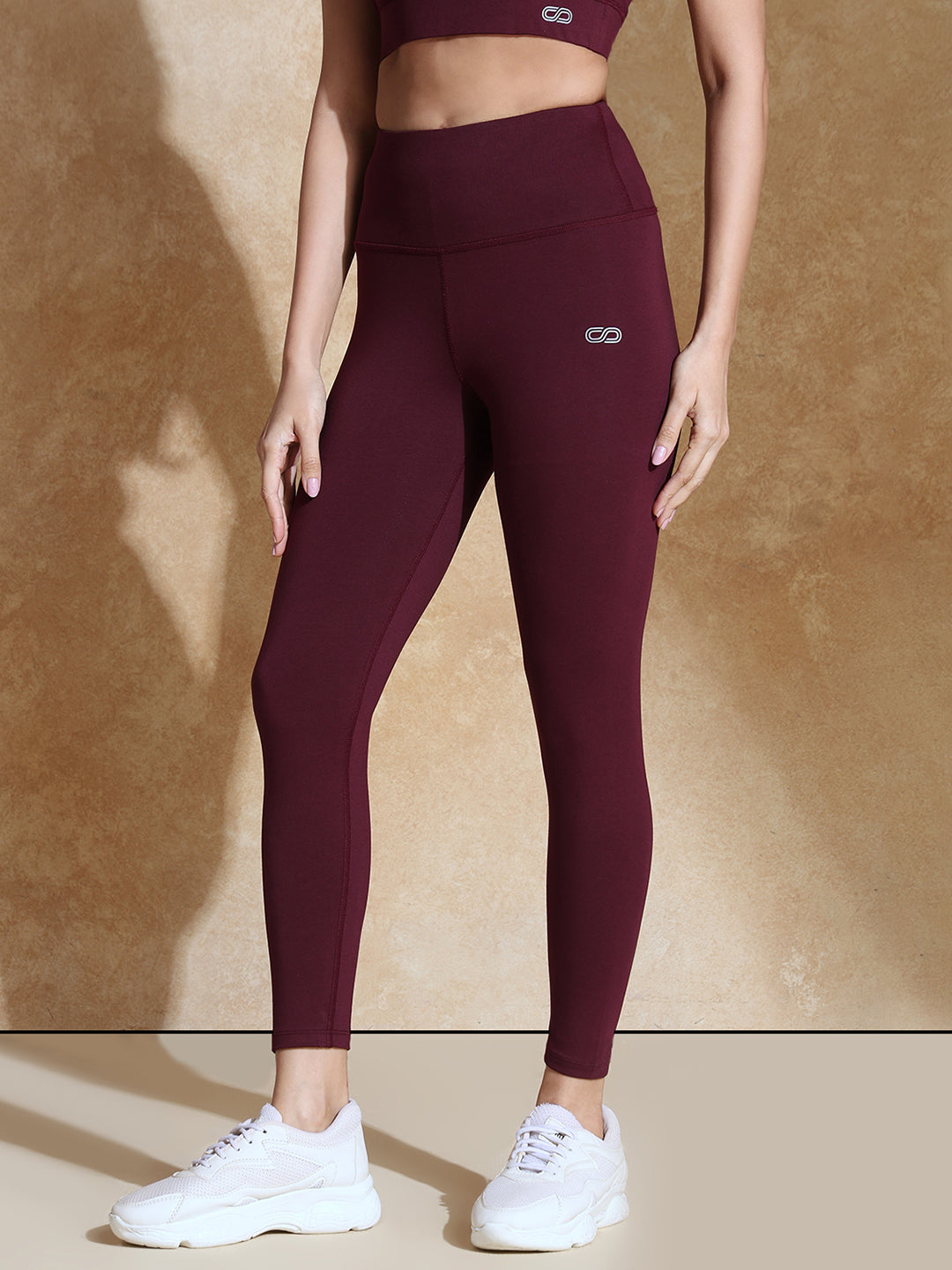
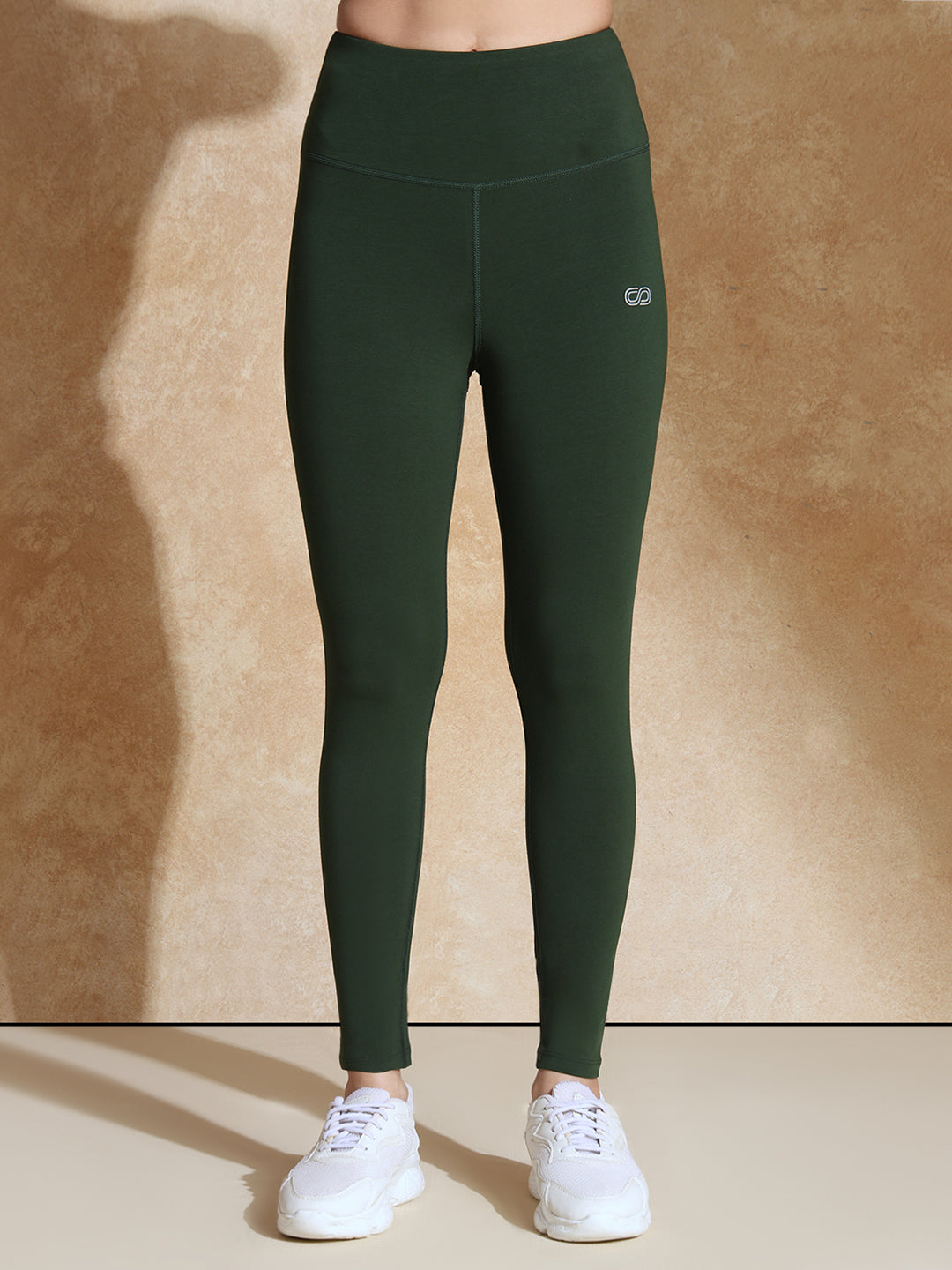
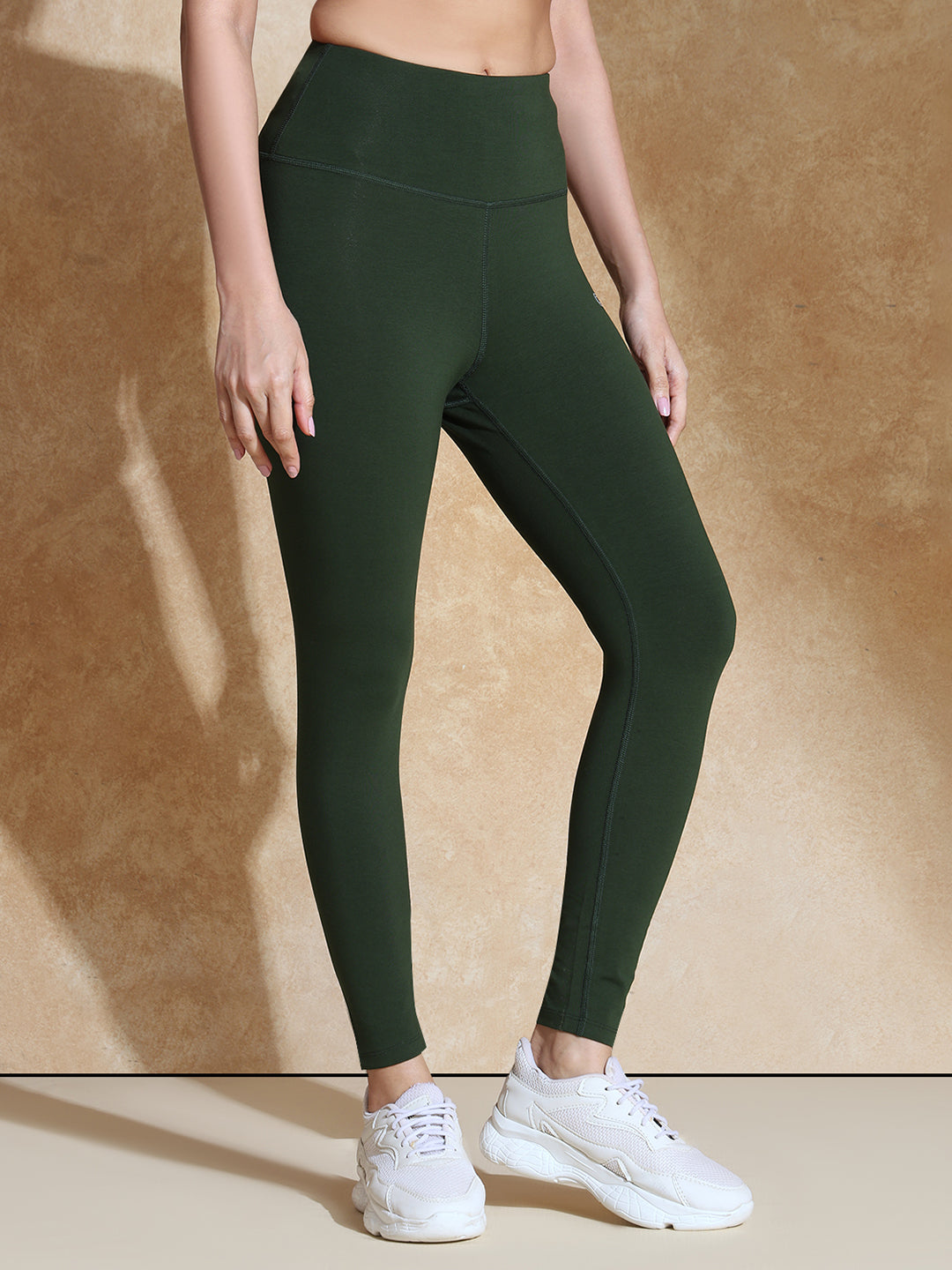
Finding the best gym clothes for women often starts and ends with the hunt for the perfect leggings. Whether you are looking for classic black gym leggings or colorful prints, three factors matter: GSM (density), Spandex content, and seam construction.
● The Squat Test: Have you ever bent over and realized your leggings went sheer? That’s a lack of density. Workout leggings for women need to have a high GSM to remain opaque when stretched.
● Compression: This comes from Spandex (also known as Lycra or Elastane). A higher percentage of Spandex (like the 12-15% found in our Aura and Ath Perform collections) ensures the fabric snaps back into place. This provides that "held-in" feel and prevents the waist from rolling down.
● High Waist: High waisted gym leggings are not just a fashion trend; they are a functional necessity. A wide, high waistband provides core support and ensures your leggings stay put during burpees or squats.
5. Sustainability: The New Standard in Activewear
The modern athlete cares about her footprint. The rise of sustainable workout clothes is one of the most positive trends in the industry. By choosing workout sets made from recycled materials, you are diverting plastic from oceans and landfi lls. Silvertraq’s commitment to using RPET yarns means you get the same elite performance of virgin polyester with a significantly lower carbon footprint.
The Verdict: Build Your Arsenal
Your fitness journey deserves more than just an old t-shirt. The best workout clothes for women are the ones that solve problems- keeping you cool, dry, and covered.
● For Running: Choose sweat-wicking workout clothes for women made from technical polyester blends (like our TraqDry range).
● For Lifting: Opt for compressive, high waisted gym leggings that support your muscles.
● For Yoga: Look for soft, breathable yoga clothes for women with high stretch (like our TraqCool collection).
Ready to upgrade your gear? Explore Silvertraq’s range of technically engineered activewear and feel the difference science makes.
FAQs
1. What is the best fabric for activewear?
The best activewear fabrics are polyester blends, nylon, and elastane (spandex) because they are lightweight, durable, moisture-wicking, and stretchable.
2. Which fabric is best for sweaty workouts?
For high-sweat workouts like HIIT, running, and gym training, moisture-wicking fabrics such as polyester and nylon blends help keep sweat away from the skin.
3. Is cotton good for workout clothes?
Cotton is breathable but not ideal for intense workouts as it absorbs sweat and dries slowly, which can cause discomfort and chafing.
4. What fabric is best for yoga and low-impact workouts?
For yoga and Pilates, nylon-elastane or modal blends are best as they are soft, flexible, and allow full range of motion without irritation.
5. Are sustainable activewear fabrics effective?
Yes, recycled polyester, bamboo, and TENCEL™ fabrics offer excellent breathability and moisture control while being eco-friendly.